Fire safety isn't just about having extinguishers on the wall—it's a comprehensive approach to protecting your people, premises, and business. Understanding your legal obligations and implementing proper fire safety measures is essential for every UK business.
Your Legal Responsibilities
Under the Regulatory Reform (Fire Safety) Order 2005, the "responsible person" (usually the employer, owner, or occupier) must ensure fire safety in the workplace. This includes:
- Carrying out a fire risk assessment
- Identifying and implementing appropriate fire safety measures
- Creating an emergency plan
- Providing staff training
- Maintaining fire safety equipment
Fire Risk Assessments
A fire risk assessment is the foundation of your fire safety strategy. It should identify:
- Fire hazards – Sources of ignition, fuel, and oxygen
- People at risk – Including employees, visitors, and vulnerable individuals
- Existing measures – What's already in place to prevent and respond to fires
- Additional measures needed – Gaps in your current fire safety provisions
Risk assessments must be reviewed regularly and updated whenever there are significant changes to your premises, processes, or workforce.
Essential Fire Safety Measures
Detection and Warning Systems
Every workplace needs appropriate fire detection and warning systems. This might range from simple smoke detectors in small premises to sophisticated addressable fire alarm systems in larger buildings. Regular testing and maintenance is essential.
Firefighting Equipment
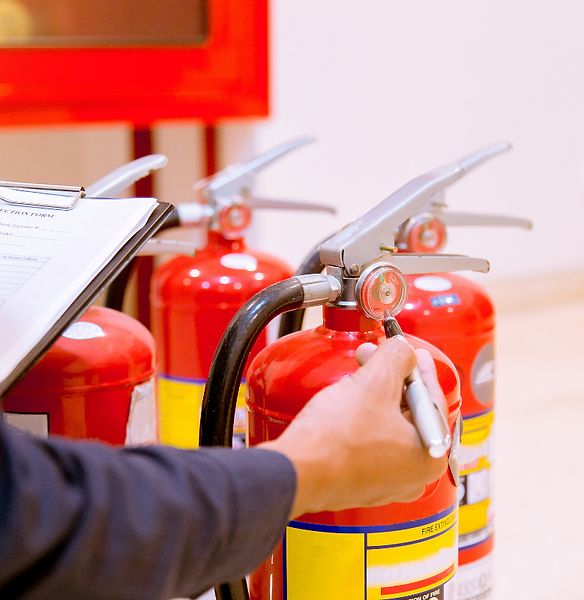
Fire extinguishers should be appropriate for the types of fire risks present. Different extinguisher types are designed for different fire classes—using the wrong type can be ineffective or even dangerous. Staff should know which extinguisher to use and when it's safe to tackle a fire.
Escape Routes and Emergency Lighting
Clear, unobstructed escape routes are vital. Emergency exits must be clearly marked, easy to open, and lead to a place of safety. Emergency lighting ensures people can find their way out even if the main power fails.
Staff Training Requirements
All employees must receive fire safety training appropriate to their role. This should include:
- What to do on discovering a fire
- How to raise the alarm
- Evacuation procedures and assembly points
- Location and use of firefighting equipment (where appropriate)
- How to assist visitors and vulnerable people
Training should be provided when employees start work and refreshed regularly. Fire drills should be conducted at least annually to ensure everyone knows what to do in an emergency.
Common Fire Safety Mistakes
Many businesses fall into common traps that compromise fire safety:
- Propping open fire doors
- Blocking escape routes with storage
- Failing to test alarms regularly
- Not updating risk assessments after changes
- Assuming fire safety is "someone else's job"
The Consequences of Non-Compliance
Failing to meet fire safety requirements can result in enforcement notices, prohibition notices (which can close your business), and prosecution. Fines can be unlimited, and in serious cases, responsible individuals can face imprisonment.
Beyond legal consequences, inadequate fire safety puts lives at risk and can devastate businesses. Many companies never recover from a serious fire.
Need Fire Safety Training?
Our half-day fire safety course covers everything your team needs to know, delivered at your premises for maximum convenience.
Get Your Free Quote